We automate the work
nobody wanted to do.
Your team keeps the judgement, the client relationships and the credit. We take the copy-pasting, the reconciliations and the 200 tabs. From first workshop to running system, in production, monitored.
Assumes 46 working weeks and 70% of that time automated — the figure we hold ourselves to in the first quarter.
Three systems, in production.
Not case studies from a deck — systems still running, still saving the hours we said they would.
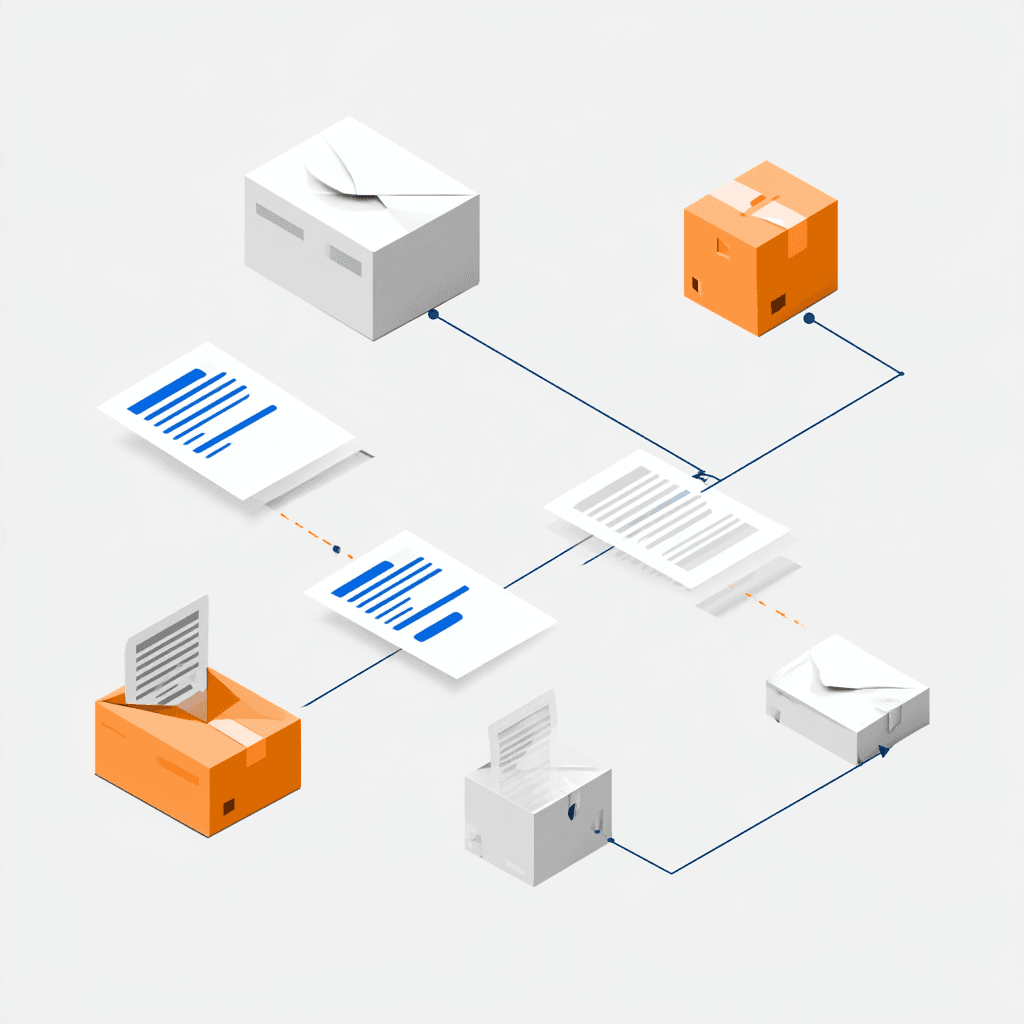
Carrier invoice reconciliation
Every carrier invoice landed in a different format, in a different inbox. We built the pipeline that reads them, matches them to shipments, and only surfaces what doesn't reconcile.
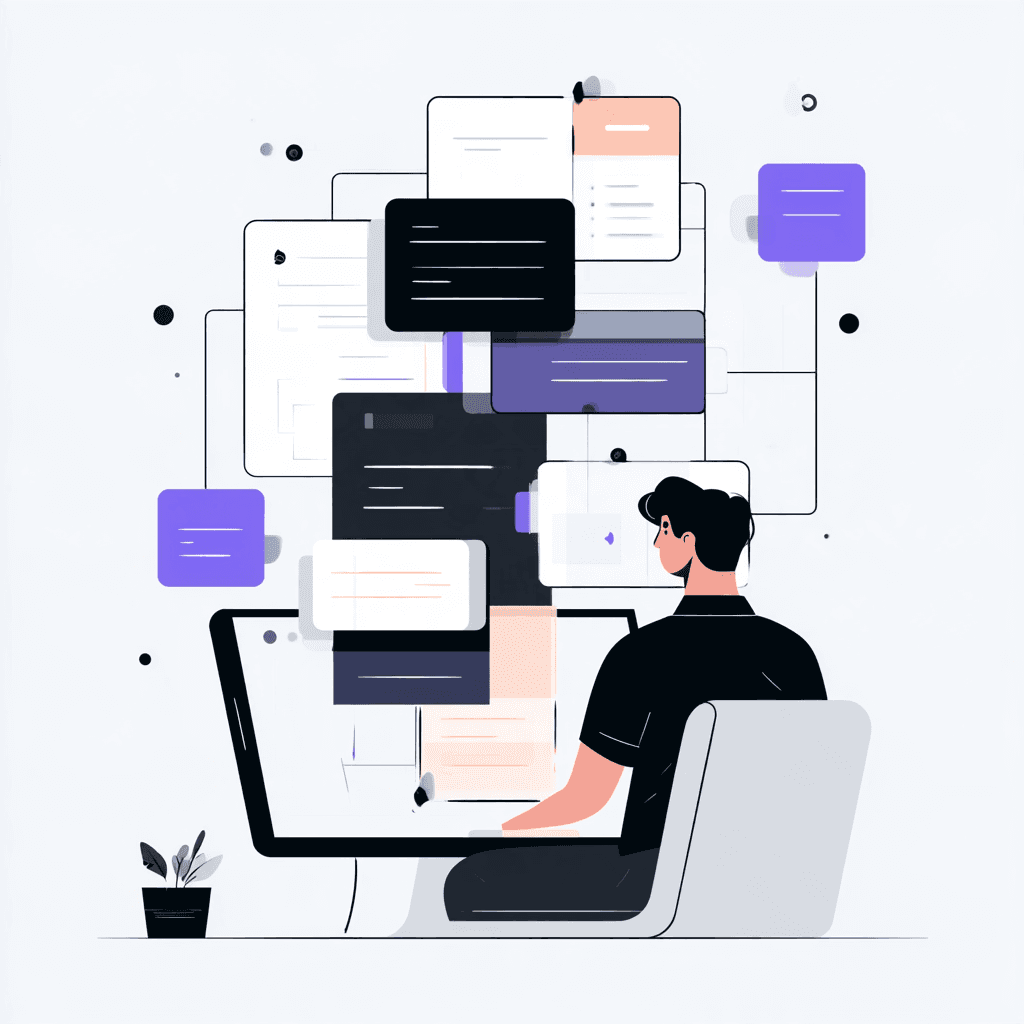
Support triage
Inbound tickets were sorted by whoever had a free minute. Now they're routed, tagged and prioritized before a human ever opens one.
Chronotimer Plus
An AI-generated prototype for an interval timer arrived with no error handling, no offline reliability, and no path to the App Store. We rebuilt the timer engine, hardened it, and prepared it for review — a real Ship Room engagement, not a hypothetical one.
How a system actually gets built.
We shadow the people doing the repetitive work before we design anything. Most automation fails because it was designed from a meeting, not a desk.
The first release is deliberately small — one workflow, end to end — so you see it running in production instead of reading about it in a deck.
We connect it to the systems you already run: your CRM, your data warehouse, your ticketing tool. No forklift migrations.
Your repo, your cloud, your credentials. We stay on for monitoring and iteration, but nothing is locked to us.
Ship Room
A prototype generated by AI comes in. Versioned, monitored, maintainable software goes out.
- Prototype in · production out
- Two-week intake, then a release cadence
- Your repo, your cloud, your keys
Read what the model wrote
A full audit of the generated code, with a written verdict before any work begins.
Secrets, auth, limits
Keys out of source control, real authentication, rate limiting, input validation.
One command to release
A repo, environments, tests, deployment and rollback — not a folder of scripts.
Know before your users do
Errors, latency and usage, alerting a named owner, logs you can actually search.
Versions, not vibes
A changelog, a dependency policy, and a quarterly review.

What we fix on the way in.
- 01Secrets moved out of source and into a real secrets manager
- 02Authentication added where the prototype had none
- 03Rate limiting and input validation on every public endpoint
- 04A deploy pipeline that replaces copy-pasting onto a server
- 05Monitoring and alerting wired to a named owner
The tools we already speak.
Three ways to work together.
We map the repetitive work, quantify it, and hand you a prioritized backlog — whether or not you build with us.
Book the auditWe design, build and ship one automation into production, end to end, with monitoring from day one.
Scope a buildWe keep what we built running: monitoring, incremental improvements, and a direct line when something breaks.
Talk about RunTell us what you want gone.
Thirty minutes. No deck. Bring the task, the spreadsheet, the inbox — whatever it is you're tired of doing by hand.